
About Compass Protection Solutions
Practical safety training, grounded in real situations
Compass Protection Solutions focuses on hands-on preparation that connects to the situations people actually face.
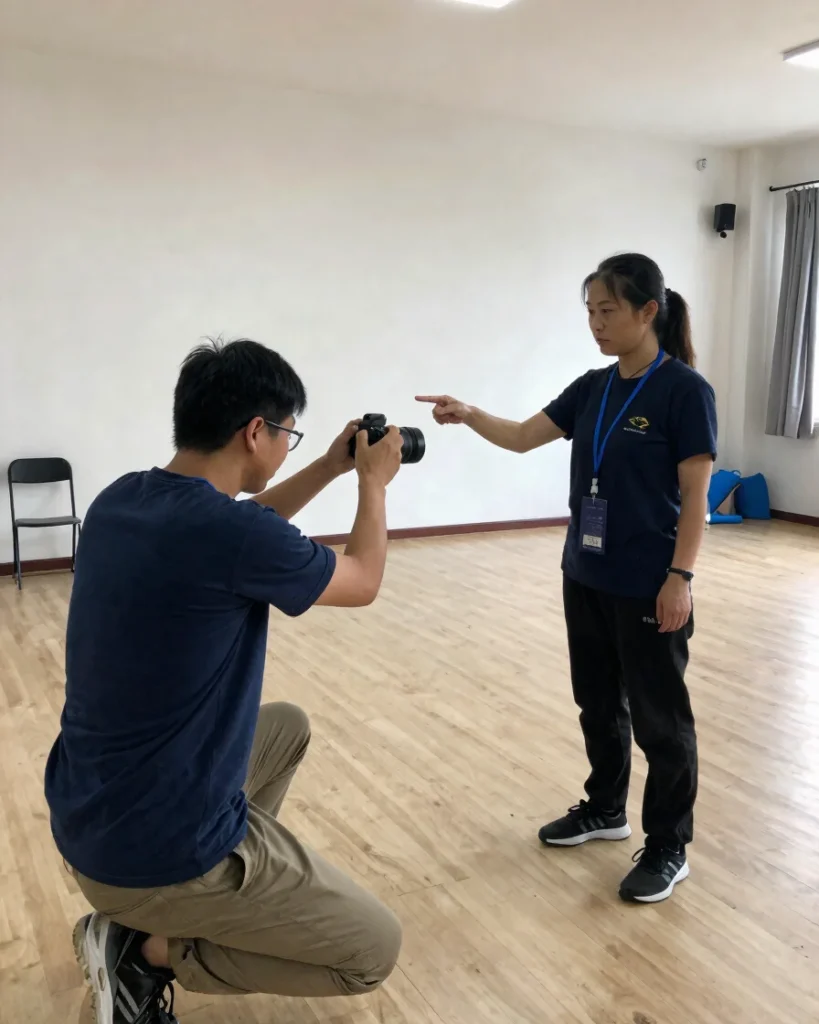
Why i do this
Why I Started Compass Protection Solutions
Personal safety isn’t theoretical to me. It’s personal.
In the early 1990s, my girlfriend was attacked on her college campus. Because she had trained in martial arts, she was able to escape her attacker’s grab, kick out his knee, and get to safety. When the police reviewed what happened, they were direct about it: this was attempted assault, attempted kidnapping — and, had the attacker succeeded, it could have ended in rape or murder. They couldn’t say with certainty what would have happened. That uncertainty has stayed with me ever since.
That young woman became my wife. Together, we made it our mission to make sure our four daughters would be ready to protect themselves if that moment ever came for them.
Knowing firsthand how much personal safety matters, my wife and I taught self-defense together through the rest of our time in college. When I enlisted, I carried that mission forward — teaching self-defense to people of all ages and backgrounds through housing management programs, the Army’s Morale, Welfare and Recreation (MWR) program, and the Sexual Harassment/Assault Response and Prevention (SHARP) program during my time in service.
I believe everyone has the right to safety, and no one has the right to take that away from them.
Since losing my wife, I’ve made it my mission to train as many people as possible to protect themselves — because the skills and mindset she carried that night in the early ’90s are the same skills that can change the outcome for someone else, someday.
How we teach
Repeated practice
Core actions are rehearsed until they feel familiar, so practical steps are easier to recall under pressure.
Clear explanations
Each technique is explained plainly, including what it is for and when it applies, before anyone practices it.
Situational relevance
Scenarios reflect real-world conditions, helping participants build awareness that matches the environments they work or live in.